Opening Time: Sunday to Thursday

Contact Info

image Brass Recycling

The Essential Guide to Brass Recycling

Brass recycling is a vital aspect of the modern recycling industry, contributing significantly to environmental conservation and resource management. This durable and versatile alloy, composed primarily of copper and zinc, is found in a myriad of applications, from plumbing fixtures to musical instruments. As the world shifts towards more sustainable practices, understanding the importance of brass recycling can help reduce environmental impact, conserve natural resources, and promote economic growth.

What is Brass?

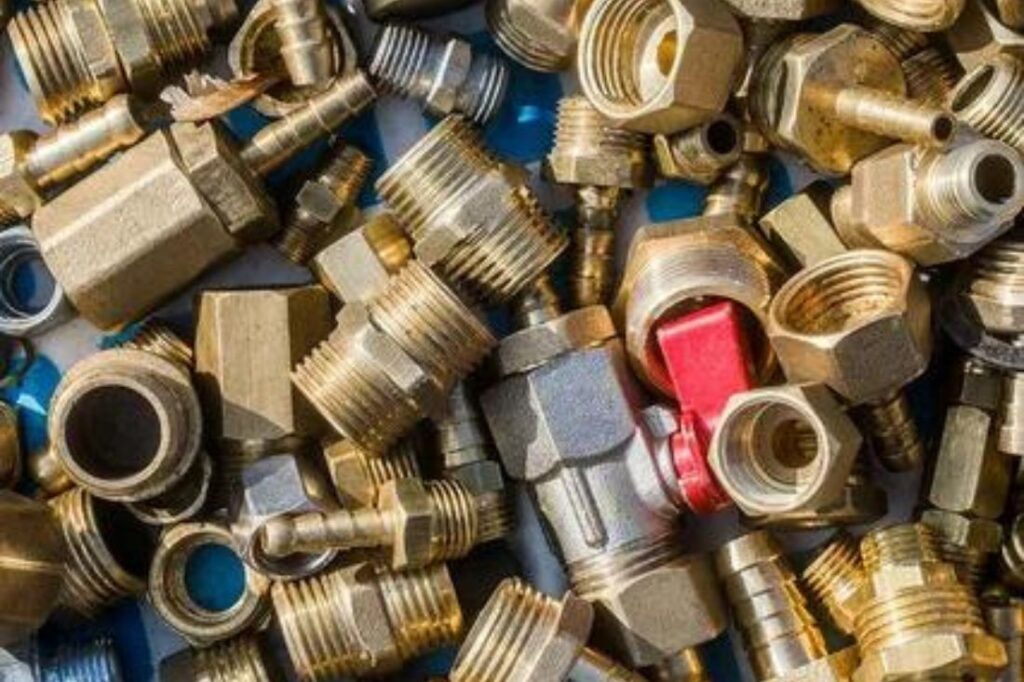
Brass is a highly adaptable metal alloy known for its excellent machinability, corrosion resistance, and appealing aesthetic. Its composition varies, but it typically contains about 60-70% copper and 30-40% zinc. Brass is used in various industries, including construction, automotive, electrical, and decorative arts. Its properties make it ideal for manufacturing fittings, valves, radiators, and musical instruments like trumpets and trombones.

Why Recycle Brass?

  1. Environmental Benefits: Recycling brass significantly reduces the need for new mining, which is often associated with ecological damage and energy consumption. Mining and refining raw materials require extensive energy and resources, leading to habitat destruction and greenhouse gas emissions. By recycling brass, we minimize these adverse environmental impacts.

  2. Resource Conservation: Brass recycling helps conserve natural resources, particularly copper and zinc. These metals are finite, and their extraction can lead to resource depletion. Recycling brass allows these valuable materials to be reused, extending their life cycle and reducing the strain on natural reserves.

  3. Economic Advantages: The recycling industry generates employment and economic opportunities. Recycled brass is often less expensive than newly mined and refined brass, providing cost savings for manufacturers and consumers alike. Additionally, the recycling process can be more energy-efficient, further reducing costs

The Brass Recycling Process

Brass recycling involves several steps to ensure the material is effectively reused while maintaining quality standards. The process includes collection, sorting, cleaning, melting, and reforming.

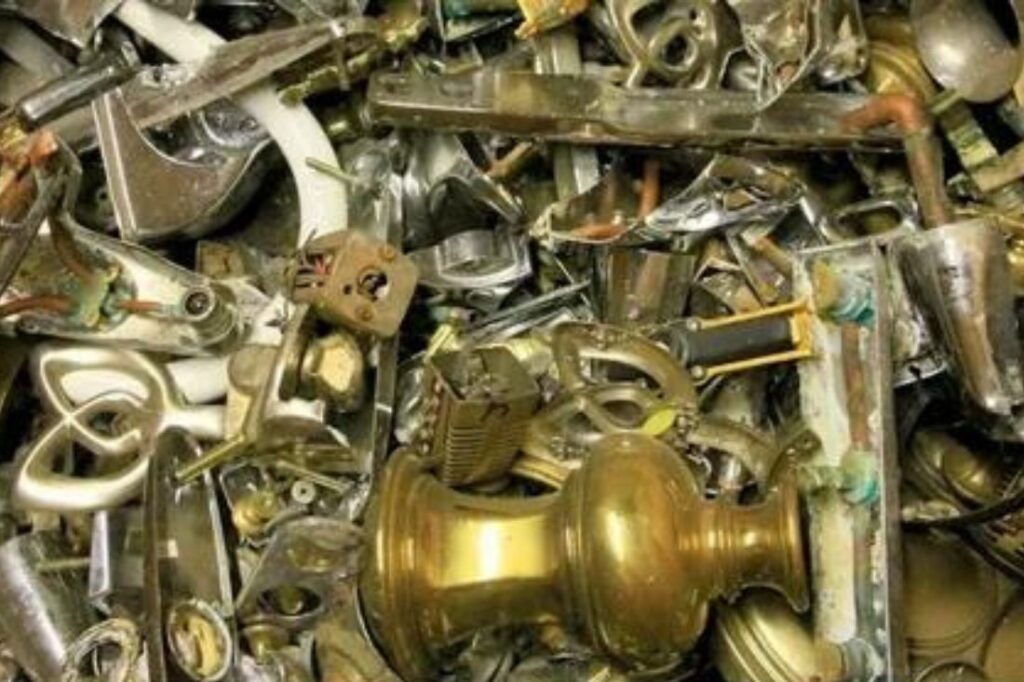
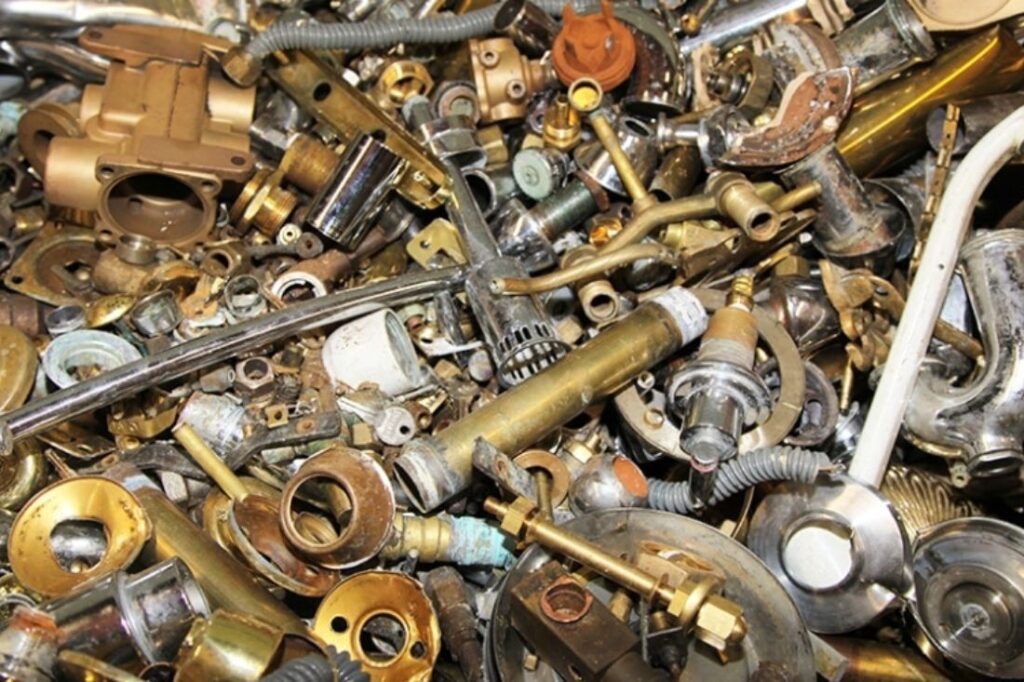
  1. Collection: Brass scrap is collected from various sources, including manufacturing offcuts, obsolete machinery, plumbing fixtures, and household items. Collection centers, recycling facilities, and scrap yards play crucial roles in gathering and aggregating brass waste.

  2. Sorting: Once collected, the brass scrap is sorted to separate it from other metals and materials. This step is essential to ensure the purity and quality of the recycled brass. Advanced sorting technologies, such as magnetic separation and eddy current separation, are often employed to facilitate this process.

  3. Cleaning: The sorted brass is then cleaned to remove contaminants such as oil, grease, paint, and dirt. Cleaning can be achieved through various methods, including chemical treatments, thermal treatments, and mechanical abrasion. This step ensures that the brass is free of impurities that could affect the quality of the recycled material.

  4. Melting: The cleaned brass is melted in a furnace at high temperatures. During this phase, any remaining impurities are removed, and the alloy’s composition can be adjusted by adding copper or zinc as needed. The molten brass is then poured into molds to form ingots or other shapes, ready for further processing.

  5. Reforming: The final step involves reforming the brass ingots into new products. This can include rolling, forging, or casting the brass into sheets, rods, pipes, or other desired forms. The recycled brass retains the same properties as virgin brass, making it suitable for various applications.

 Applications of Recycled Brass

Recycled brass is utilized in numerous industries due to its versatility and desirable properties. Common applications include:

  • Public Awareness: Educating the public about the benefits of brass recycling can encourage more people to participate in recycling programs.
  • Industry Collaboration: Manufacturers, recycling facilities, and policymakers should collaborate to establish efficient recycling systems and standards.
  • Technological Advancements: Investing in advanced recycling technologies can improve the efficiency and effectiveness of the brass recycling process.

Conclusion

Brass recycling plays a crucial role in sustainable resource management and environmental conservation. By recycling brass, we can reduce the need for new mining, conserve natural resources, and promote economic growth. Understanding the brass recycling process and its benefits is essential for fostering a more sustainable future. Through collective efforts and increased awareness, we can enhance brass recycling practices and contribute to a greener planet.