Battery Recycling
The Importance of Battery Recycling
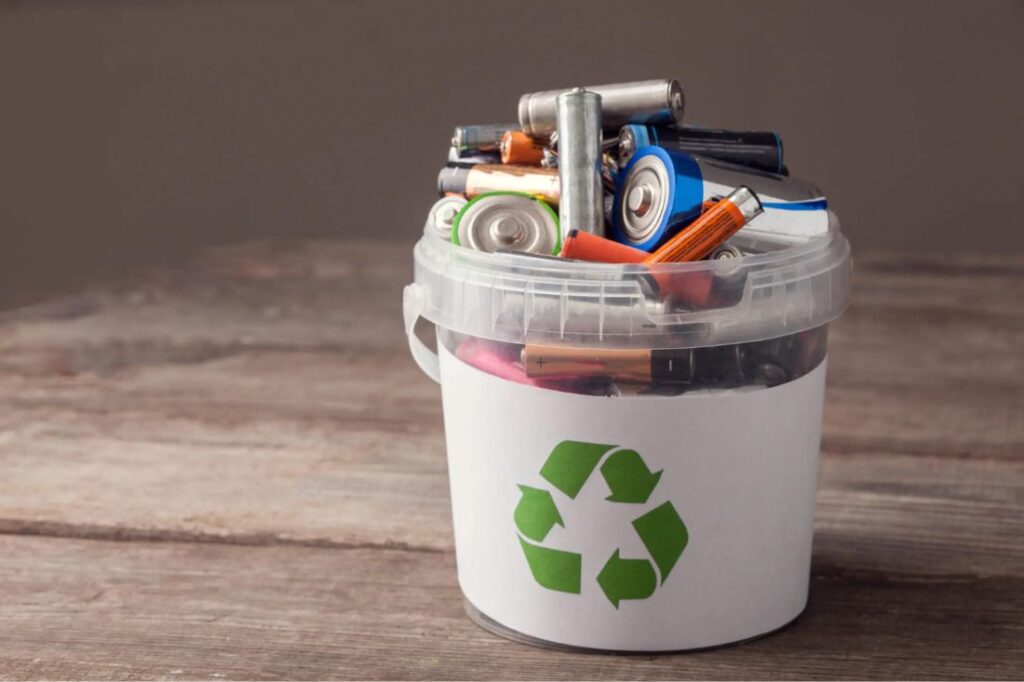
Battery recycling is an often overlooked but incredibly vital aspect of modern waste management. As the use of batteries in our daily lives continues to grow, so does the need for effective recycling practices. At Sam’s Recycling Solutions, we are committed to educating our community and offering top-notch battery recycling services to help reduce environmental impact and promote sustainability. In this article, we will explore the importance of battery recycling, the various types of batteries that can be recycled, and the processes involved in recycling them.
Why Battery Recycling Matters
Batteries contain a variety of hazardous materials, including heavy metals like lead, mercury, and cadmium, as well as corrosive acids. When batteries are improperly disposed of, these toxic substances can leach into the soil and water, posing significant environmental and health risks. Recycling batteries helps to mitigate these dangers by safely reclaiming and repurposing valuable materials, thereby reducing the need for new raw materials and minimizing environmental pollution.
At Sam’s Recycling Solutions, we emphasize the importance of responsible battery disposal. By recycling batteries, we not only protect our environment but also conserve resources and energy. For instance, recycling one ton of batteries can save up to 50% of the energy required to produce the same amount of new batteries from raw materials. This conservation effort is crucial in our fight against climate change and resource depletion.
Types of Batteries That Can Be Recycled
There are several types of batteries commonly used in households and industries, and most of them can be recycled. Here are some of the most common types:
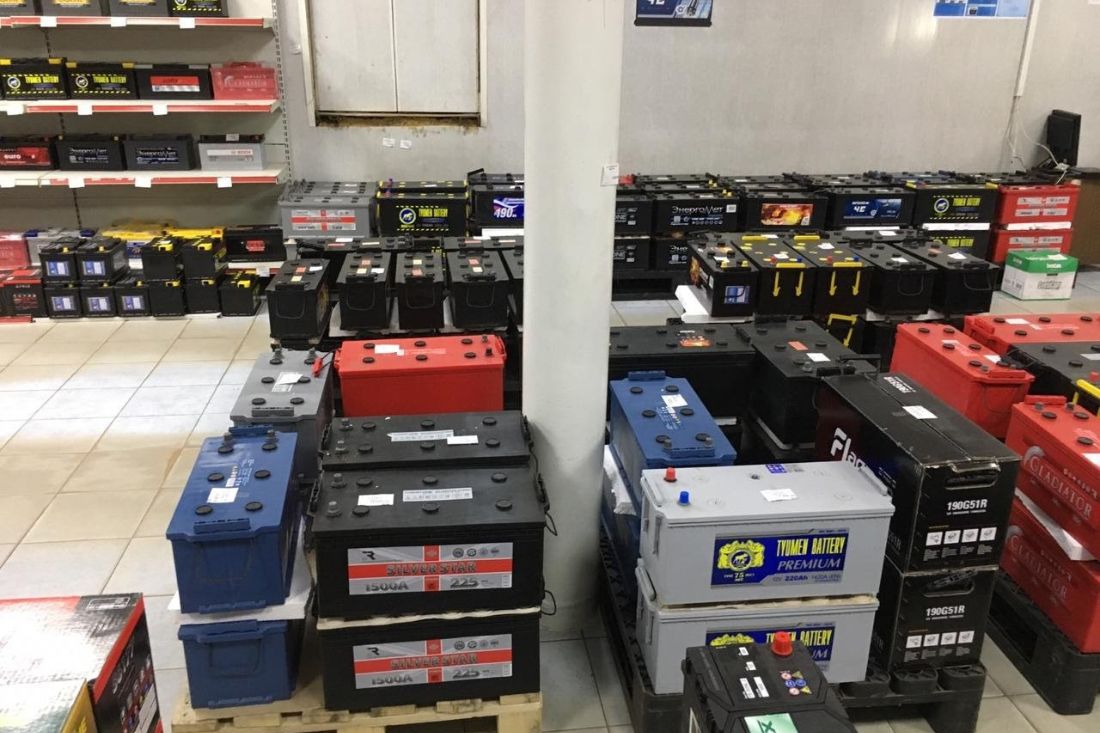
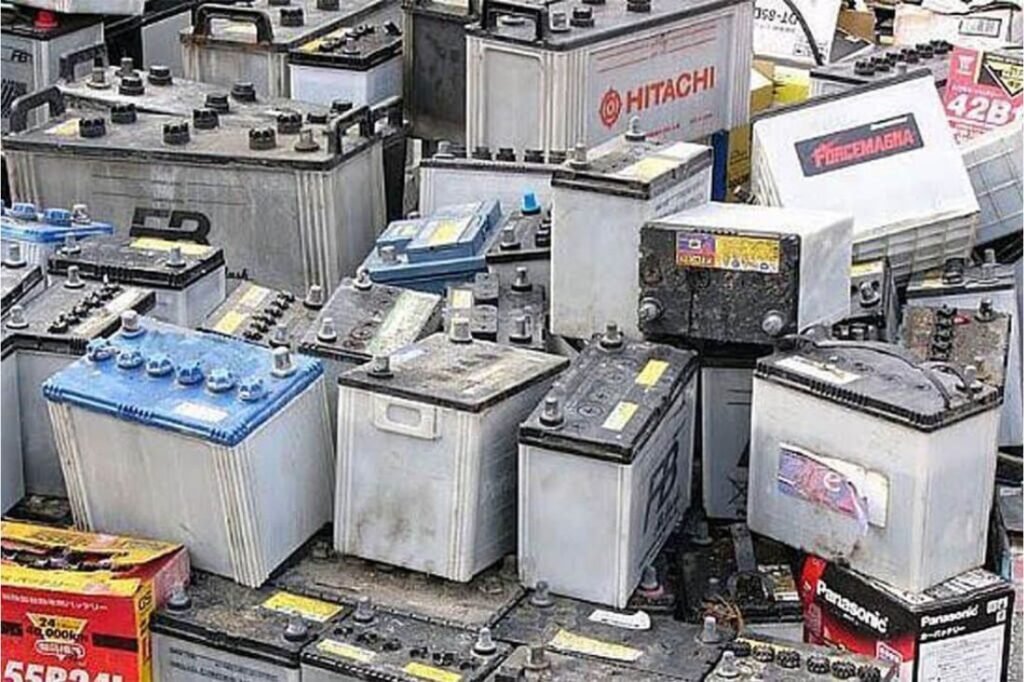
Lead-Acid Batteries: These are typically used in vehicles, such as cars and motorcycles. Lead-acid batteries are highly recyclable, with over 90% of their components being reusable.
Nickel-Cadmium (NiCd) Batteries: Often found in rechargeable household devices like cordless phones and power tools, NiCd batteries contain toxic cadmium, making their proper disposal critical.
Nickel-Metal Hydride (NiMH) Batteries: Used in similar applications as NiCd batteries, NiMH batteries are more environmentally friendly due to the absence of cadmium. However, they still require proper recycling.
Lithium-Ion (Li-Ion) Batteries: Widely used in smartphones, laptops, and other electronic devices, Li-Ion batteries are highly efficient and recyclable, though they require specialized handling due to their flammable nature.
Alkaline Batteries: Commonly used in household items like remote controls and flashlights, alkaline batteries can also be recycled, though the process is more complex compared to other battery types.
1. Environmental Conservation
Recycling stainless steel significantly reduces the need for raw material extraction, which can be environmentally destructive. By recycling, we can preserve natural resources, reduce mining activities, and lower the carbon footprint associated with stainless steel production.
Conclusion
Battery recycling is a crucial practice for protecting our environment and conserving valuable resources. At Sam’s Recycling Solutions, we are dedicated to providing comprehensive battery recycling services and educating our community about the importance of responsible battery disposal. By recycling batteries, we can reduce pollution, conserve energy, and promote a sustainable future for generations to come.
Remember, every battery recycled is a step towards a cleaner, greener planet. Join us at Sam’s Recycling Solutions in our mission to make battery recycling a standard practice in every household and business. Together, we can make a significant impact on our environment and ensure a healthier planet for future generations.